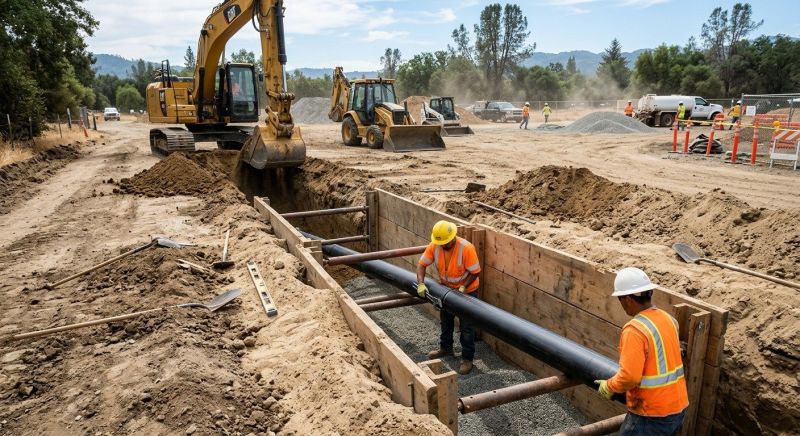
Trench Installation in Salt Lake City, UT
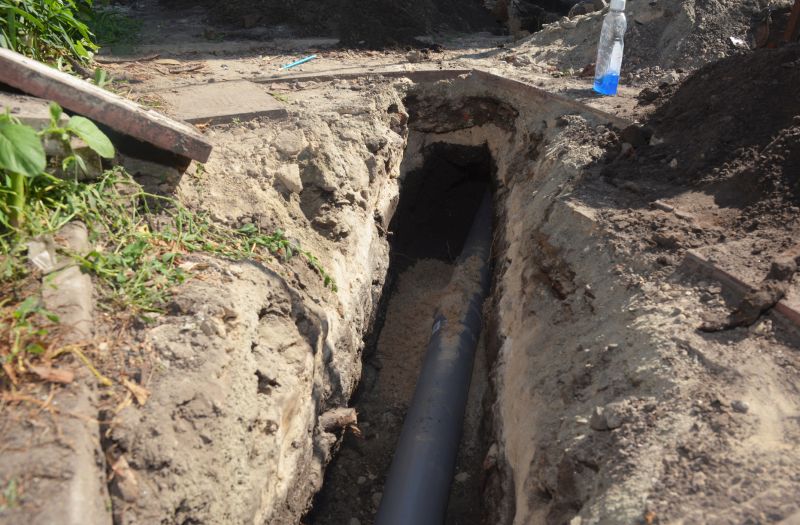
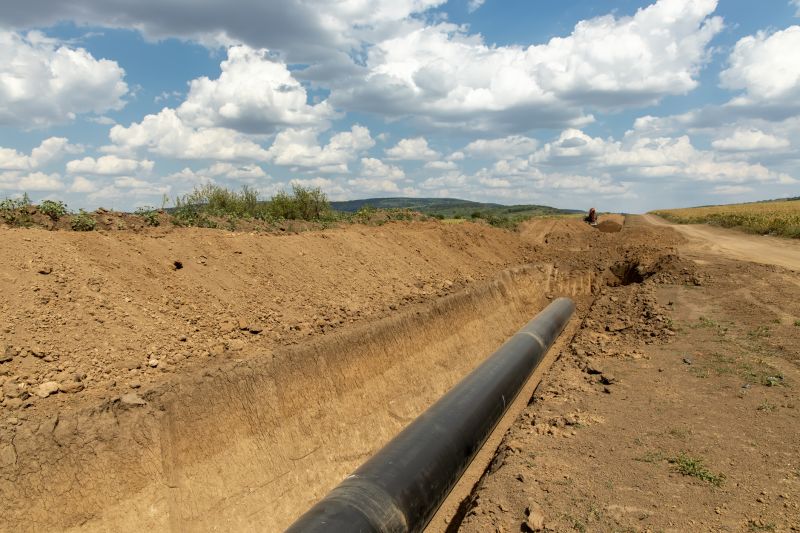
Trench installation services involve digging narrow, precise channels into the ground to accommodate various utility lines or drainage systems. These projects often include laying electrical wiring, plumbing pipes, irrigation lines, or setting foundations for fences and retaining walls. Homeowners typically seek trenching to facilitate upgrades or new installations around their property, ensuring that underground utilities are safely and effectively positioned. Before requesting trench installation, property owners should consider the location, depth, and purpose of the trench, as well as any existing underground utilities or structures that may influence the work.
Understanding the scope of trenching projects is essential for homeowners planning renovations or utility upgrades. It’s important to determine the required trench depth, length, and width, along with any permits or regulations that might apply locally. Property owners should also be aware of the potential impact on landscaping or existing structures and discuss these factors with the service provider to ensure the project aligns with safety standards and local codes. Clear communication about project goals and site conditions can help facilitate a smooth trench installation process.
Many property owners in Salt Lake City, UT look into Trench Installation for repairs, replacements, upgrades, and appearance-related improvements.
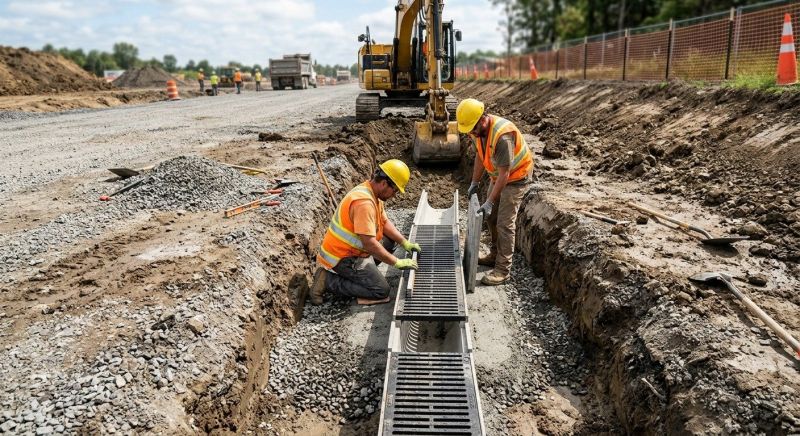
Trench Installation For Utilities
Proper trenches are essential for safe and reliable utility lines on residential and commercial properties.
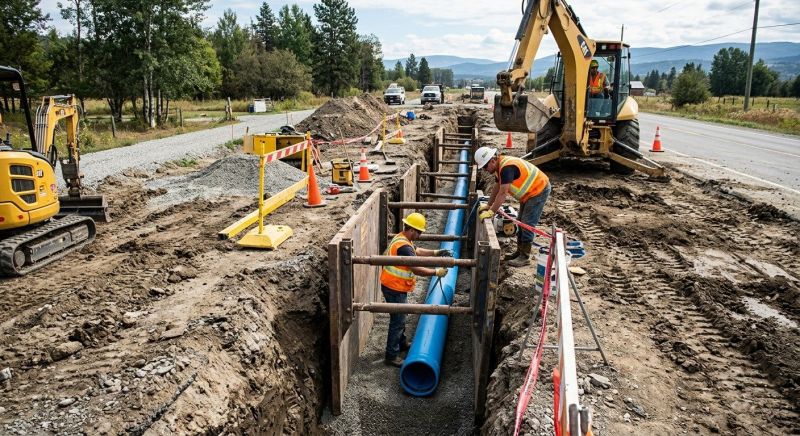
Foundation And Drainage Trenching
Trenches are used to install foundations, drainage systems, and retaining walls to improve property stability.
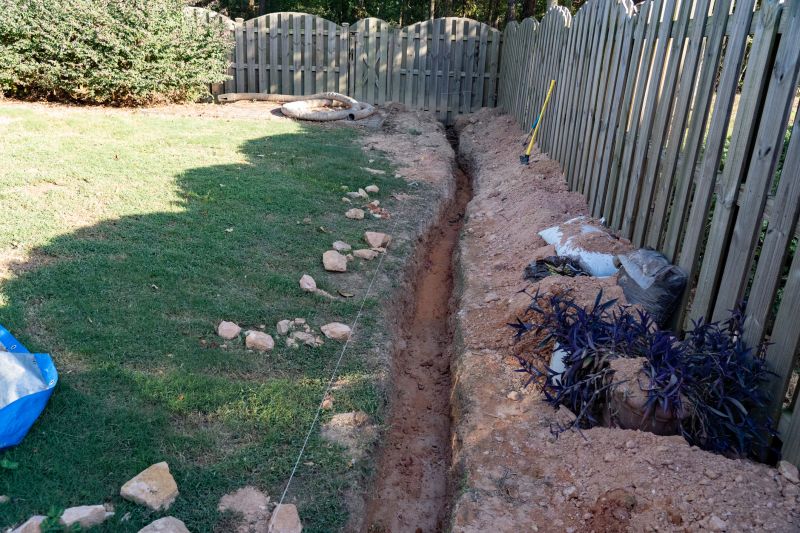
Landscaping And Irrigation Trenches
Creating trenches helps in installing irrigation systems and landscape features around salt lake city homes and businesses.
Trench Installation in Salt Lake City, UT

Trench installation services involve digging narrow, precise channels into the ground to accommodate various utility lines or drainage systems. These projects often include laying electrical wiring, plumbing pipes, irrigation lines, or setting foundations for fences and retaining walls. Homeowners typically seek trenching to facilitate upgrades or new installations around their property, ensuring that underground utilities are safely and effectively positioned. Before requesting trench installation, property owners should consider the location, depth, and purpose of the trench, as well as any existing underground utilities or structures that may influence the work.
Understanding the scope of trenching projects is essential for homeowners planning renovations or utility upgrades. It’s important to determine the required trench depth, length, and width, along with any permits or regulations that might apply locally. Property owners should also be aware of the potential impact on landscaping or existing structures and discuss these factors with the service provider to ensure the project aligns with safety standards and local codes. Clear communication about project goals and site conditions can help facilitate a smooth trench installation process.
Many property owners in Salt Lake City, UT look into Trench Installation for repairs, replacements, upgrades, and appearance-related improvements.
Common Trench Installation Jobs
Trench installation - prepares the ground for utility lines, drainage systems, or irrigation setups.
Drainage trenching - directs water away from foundations to prevent flooding and water damage.
Utility trenching - creates pathways for electrical, gas, or communication lines across the property.
Landscape trenching - shapes the terrain for garden beds, walkways, or retaining walls.
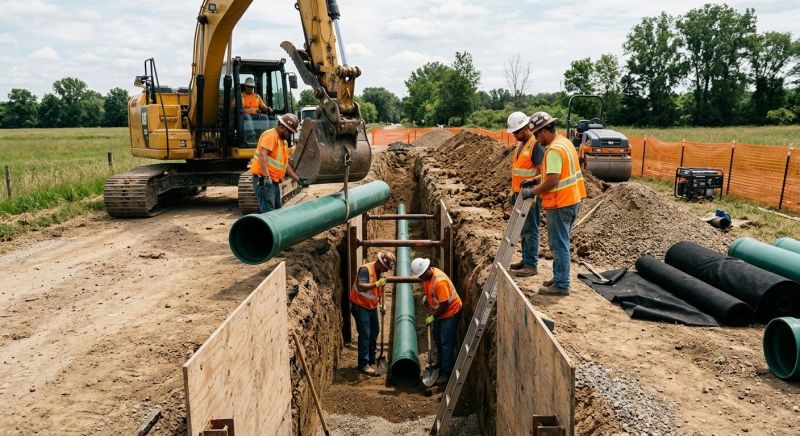
Soil and pipe installation - involves laying pipes or cables securely within trenches for long-term functionality.
Trench repair services - restore damaged trenches to ensure proper drainage and utility performance.
Trench Installation Questions
What is trench installation used for? Trench installation is commonly used for laying utility lines, drainage systems, and irrigation pipes around residential or commercial properties.
How deep are typical trenches for property projects? Trenches usually range from 6 inches to 3 feet deep, depending on the purpose and local building codes.
What materials are used for trench backfill? Backfill often consists of excavated soil, gravel, or a combination of both to ensure stability and proper drainage.
Are permits needed for trench installation? Permit requirements vary by location; it is advisable to check local regulations before beginning trench work.
Request Trench Installation in Salt Lake City, UT
Use the quote form on this page to share the basics of your project and request more information for the type of work you need.